How to Choose a Commercial Mailbox Size in 2026

Last Updated: November 4, 2026
Quick Summary
The right commercial mailbox size depends on your actual mail volume, not a guess. Measure how many letters and packages you receive each week, and size to your largest realistic package and your peak week rather than the average.
Track letter and flat volume, package volume, and the largest package you receive each week.
Plan for your largest realistic package, since one online order can exceed a week of letters.
Size compartments to peak volume, such as holiday or billing periods, not average weeks.
Count one delivery point per occupant or business, then add margin for turnover and growth.
Confirm the unit carries current USPS approval before committing to a size.
Table of Contents
What Determines the Right Commercial Mailbox Size
Choosing a commercial mailbox size starts with one question: how much mail and how many packages does your business actually receive? The right size depends on your volume, not your guess.
Three factors drive the decision most. Each one changes the size you need.
Letter volume: How many envelopes and flats arrive each week
Package volume: How often FedEx, UPS, DHL, or USPS deliver parcels
Package dimensions: The largest box you expect to receive
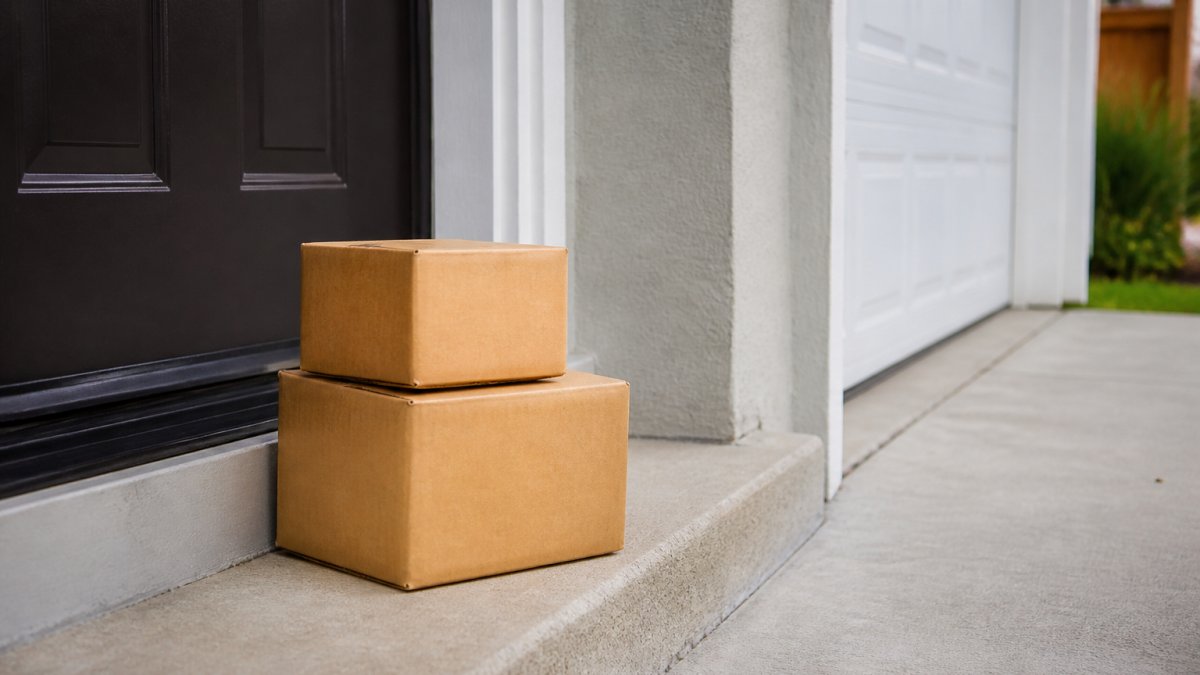
Most people underestimate package size. A single online order can be bigger than a week of letters. Plan for your largest realistic package, not your average one.
USPS Mailbox Size Regulations You Need to Know
USPS sets the standards that most commercial mailboxes follow (How to Install a Mailbox). Standards can change, so check the official USPS guidance for current requirements rather than relying on older articles.
Keep these points in mind when comparing options:
Approved units must meet USPS dimension and design requirements (How to Install a Mailbox)
Compartment sizes are grouped into standard categories
Installation location and access rules are set separately from size
A mailbox that looks large is not automatically compliant. Confirm approval before you commit.
Commercial Mailbox Dimensions by Compartment Type
Commercial mailbox systems are built around a small number of standardized compartment types, and the fastest way to choose a size is to match your actual mail to those types rather than to the overall cabinet footprint. A large cabinet with the wrong compartment mix is a worse fit than a smaller cabinet with the right one.

Standard 4C compartments
Compartment dimensions vary by manufacturer and approved model, so confirm the exact measurements on the unit's specification sheet before you buy.
Parcel lockers
Parcel lockers are oversized compartments designed for packages that will not fit in a letter compartment. Because they are often a shared resource, their count can matter as much as their individual size.
What actually fits
When you measure your own mail, compare your typical envelopes, flats, and parcels against the dimensions on the unit's specification sheet. Measure your longest recurring package, not just its width and height, since a package that exceeds locker depth may not fit.
Matching compartment mix to mail type
If most of your mail is letters and flats, a standard unit may be sufficient. If you receive packages several times a week, parcel locker capacity may become the limiting factor, so size the assembly around it rather than letter capacity.
Before you commit, confirm the unit carries current USPS approval and that the compartment dimensions on the spec sheet match the mail you actually receive.
Commercial Mailbox Size Chart for Common Property Types
Property type affects how many compartments you need and how large they should be. Use this chart as a starting point:
Property Type | Typical Mail Pattern | Suggested Compartment Mix |
Home-based business | Light letters, some packages | Mostly standard, a few parcel |
Small office | Steady letters, regular packages | Standard plus parcel lockers |
Apartment or multi-unit | Letters for each tenant | One compartment per occupant |
RV or mobile home park | Mixed mail, frequent parcels | Parcel-heavy layout |
Online seller | High package volume | Mostly parcel lockers |
Treat this chart as a guide only. Your own delivery history is the most reliable input.
Estimating Commercial Mailbox Capacity from Occupancy and Mail Volume
Most sizing advice stops at "match the mailbox to your mail volume." A repeatable calculation can turn a vague judgment into a number you can defend to a landlord, a board, or a facilities budget.
Step 1: Count the delivery points
Count the occupants or businesses that will each need their own compartment. In a multi-unit building, that is one compartment per unit. In an office suite, it is one per business or per department, depending on how mail is distributed internally. Add any shared compartments you want for building management or common notices.
Step 2: Measure a normal week of mail
For each delivery point, track one ordinary week: count letters and flats, count packages, and note the largest package received in the past month. If you have no history, a new building, for example, use a comparable property's week as a proxy and label it as an estimate.
Step 3: Convert volume into compartments
One planning approach is to size letter compartments at one per delivery point, then add a growth margin for new tenants and seasonal spikes. For parcel lockers, the right ratio depends on your delivery volume and should be adjusted upward if packages are heavy. A building where most residents shop online will need more lockers than the same number of offices receiving mostly correspondence.
Step 4: Plan for peak, not average
Peak volume, the week before a holiday, a billing cycle, or a move-in period, is often what causes overflow. Size to the peak week you can reasonably expect, not the average week, and plan additional locker capacity if your peak runs well above average.
Step 5: Check the result against the largest package
Confirm that at least some compartments can accept your largest recurring package. If not, the assembly needs a larger locker variant or a different configuration, regardless of how the counts work out.
A worked example
The exact configuration depends on the manufacturer's available layouts, so use any worked numbers only as a planning target rather than a catalog part number.
Sizing only to the current occupant count can leave no room for turnover and seasonal spikes.
An occupancy-and-volume estimate can give you a defensible number before you talk to a supplier, and it can show whether your constraint is letter capacity, locker capacity, or package dimensions.
Accessibility, Reach Range, and Installation Location
Even the right size fails if people cannot reach it easily. Check reach range before you buy. Compartments placed too high or too low create daily frustration, especially for people with mobility limits.
Consider these installation points:
Keep frequently used compartments within easy reach, and learn practical receiving steps that avoid missed deliveries.
Leave clear space in front for opening doors fully
Confirm placement meets local access and curb rules
Plan for weather exposure and secure mounting
Good placement saves time every day. A poor location undoes even a well-sized system.
Booking Your Mailbox Sizing Review with Curlew Postal Center
Choosing the right size is easier with expert help. Curlew Postal Center offers a physical street address with a suite number, 24-hour access to mail, and acceptance of deliveries from USPS, FedEx, UPS, and DHL.
Pricing depends on your mailbox type, volume, and delivery needs, so contact Curlew Postal Center directly for a current quote. Reach out to book your sizing review and get a recommendation based on your actual mail.
Frequently Asked Questions
What are the requirements for a USPS commercial mailbox?
USPS commercial and multi-unit mailboxes generally need to meet the agency's standards for Cluster Box Units and approved mailbox designs, including minimum compartment dimensions suited to standard letter mail and the ability to receive packages. Requirements can differ depending on whether the installation is a new build, a retrofit, or a delivery point served by a carrier route. Before ordering, confirm the current specification with your local Postal Service delivery unit or the USPS Postal Store so the unit you buy will be accepted.
What is the largest mailbox allowed by the USPS?
The USPS does not publish a single maximum size for every mailbox, because approved sizes depend on the mailbox type and the delivery setup. Cluster units are sized for letters and flat mail, while parcel lockers are designed to hold larger packages. The practical limit for a given installation is set by the approved unit model and the space available at the site. When you are planning a larger compartment, check the approved model dimensions and confirm with your delivery unit before purchase.
How much mail can a commercial mailbox hold?
Capacity depends on compartment count, compartment depth, and how much of that space is used by letters versus packages. Compartment capacity depends on compartment size and how much space letters and packages take up. For planning, estimate your average daily letters and weekly parcels per occupant, and check the unit's specification sheet for compartment dimensions.
What should you consider when choosing a mailbox for an apartment building?
Start with the number of units, the expected online order volume per tenant, and whether packages will be delivered directly to the mailbox bank or held elsewhere. Check the mounting location for accessibility, including reach range for tenants using wheelchairs, and confirm clearance from the curb and road surface for carrier access. Plan for future growth by leaving room for an additional parcel locker or a few spare compartments. For current pricing, contact Curlew Postal Center for a quote.

Comments